ABOUT TRAVEL
~ Transport ~
Introduction
Vehicles in Interstellar Flight
.jpg)
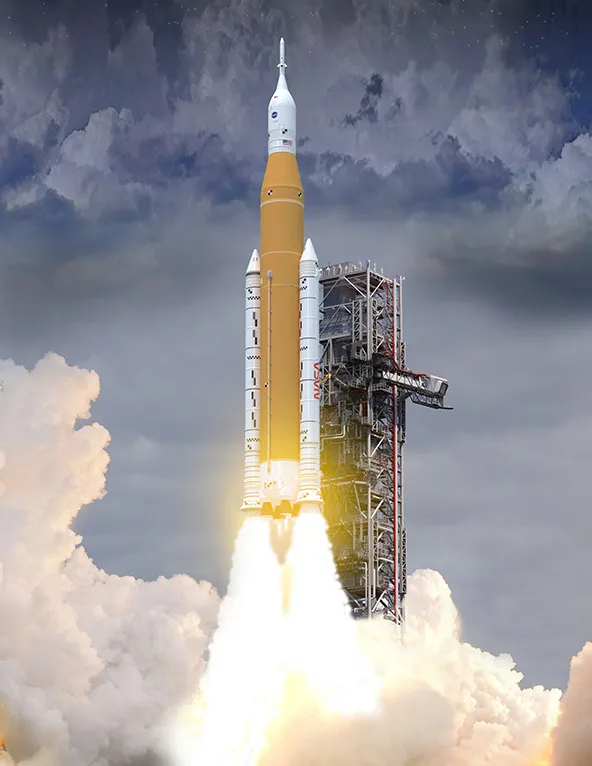
We plan to collaborate with NASA and major commercial space companies such as SpaceX and Virgin Galactic to utilize their developed rockets and spacecraft to transport passengers into space.
We intend to apply for the "Space Station Expansion Program" from NASA, which would establish space stations not only in Earth's orbit but also in the orbits of various planets and even in the solar orbits between star systems. In this way, these space stations can serve as supply stations for tourists during interplanetary travel, providing food, sanitation facilities, exercise equipment for physical fitness, and health monitoring devices.
Besides, We have established rapid Wormhole Passages near each planet. After completing your journey on one planet, you can board a spacecraft and enter the wormhole, which will then teleport you to the wormhole on the space station on the nearby planet’s orbit. This allows you to complete interplanetary travel within a limited timeframe, significantly reducing the time cost of traveling between planets.As a result, travelers can enjoy the thrill of space travel in a spacecraft and have the freedom to plan their own space adventures.
Vehicles after Landing
In tourism on Mercury, Venus, and Mars, tourists will be able to land on their surfaces and visit various attractions. Therefore, we provide a variety of transportation options listed as below, allowing tourists to move quickly between attractions while enjoying different landscapes.
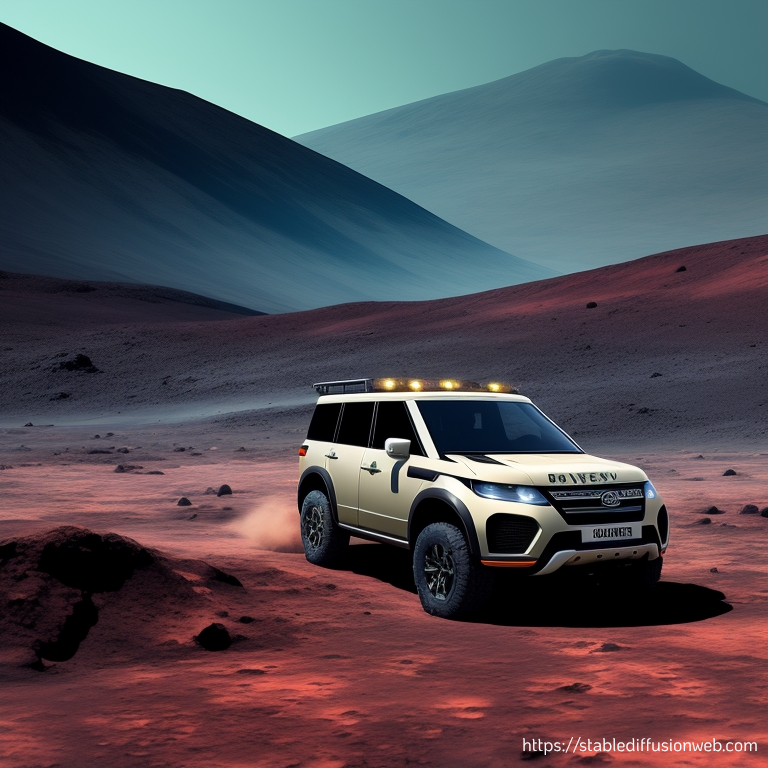
- On Land: Cars, campers, off-road vehicles, motorcycles.
- In the Air: Airplanes, helicopters.
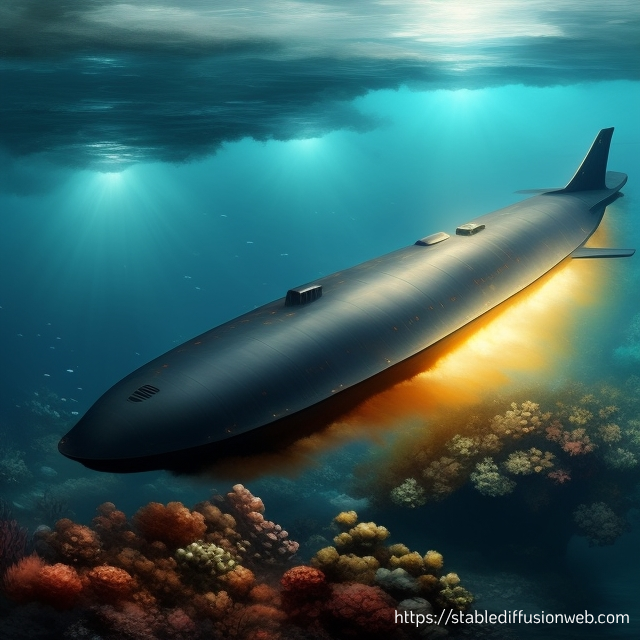
- On Water: Cruise ships, speedboats, submarines.
- In Ice Regions: Pressure-driven sleds.
We recommend selecting airplanes for long-distance travel and choosing the appropriate mode of transportation based on the specific terrain you wish to explore.
(Note : The following pictures are AI-generated schematic diagrams of transportation vehicles)